Lightning can pose a serious threat to electrical equipment, industrial machinery, commercial buildings, communication infrastructure, and power installations. A properly designed lightning protection system can help manage transient overvoltages and provide a controlled path for unwanted electrical energy. For this reason, selecting a dependable lightning arrester supplier in India is an important decision for contractors, engineers, electrical distributors, and industrial project developers.
Importance of Lightning Arresters
Lightning arresters are designed to protect electrical systems against transient voltage surges associated with lightning and other electrical disturbances. When incorporated into a suitable protection and grounding arrangement, an arrester can help divert excessive electrical energy away from sensitive equipment.
The overall performance of a lightning protection system depends on product quality, system design, grounding, installation, and the conditions at the site. Therefore, choosing suitable products from a reliable supplier is an important step in developing an effective protection system.
Role of a Lightning Arrester Supplier in India
A professional lightning arrester supplier in India provides products for a variety of electrical and infrastructure applications. Suppliers may offer different types and configurations depending on voltage requirements, installation conditions, protection objectives, and project specifications.
Reliable suppliers focus on product quality, consistent availability, technical documentation, and customer support. They can help customers understand product specifications and select appropriate solutions for industrial plants, commercial buildings, electrical infrastructure, telecommunications facilities, and renewable energy projects.
For large projects, dependable supply is especially important. Consistent product quality and timely delivery can help contractors maintain project schedules and avoid delays during installation.
Applications of Lightning Arresters
Lightning arresters are used across several industries. Manufacturing facilities may require protection for electrical panels, machinery, control systems, automation equipment, and other critical installations. Commercial buildings, warehouses, hospitals, schools, and residential towers may also require lightning and surge protection depending on their design and location.
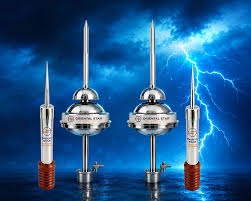
Telecommunication towers are another important application because elevated structures and sensitive communication equipment can be exposed to lightning activity. Properly designed protection systems can help reduce risks to electrical and communication equipment.
Renewable energy projects, including solar power plants, also require careful attention to lightning protection. Solar panels, mounting structures, inverters, and other outdoor electrical equipment can be vulnerable to transient electrical events. A suitable combination of lightning protection, grounding, and surge protection can support the safety of these installations.
Materials and Product Quality
The construction materials used in a lightning arrester influence its durability and performance. Conductive components require suitable electrical properties, while external components need to withstand environmental exposure.
Depending on product design, materials may include copper, aluminium, stainless steel, galvanized components, specialized insulating materials, and engineered polymers. Products intended for outdoor applications should be suitable for exposure to moisture, dust, sunlight, and temperature variations.
When choosing a lightning arrester supplier in India, customers should review material specifications, product construction, testing information, applicable standards, and installation requirements.
How to Choose the Right Supplier
A reliable supplier should offer clear technical specifications and products appropriate for the intended application. Buyers should consider the supplier’s product range, quality-control practices, manufacturing or sourcing capabilities, technical support, and delivery capacity.
For industrial and infrastructure projects, it is beneficial to work with a supplier capable of providing consistent products in required quantities. Technical assistance can also help engineers and contractors make better decisions regarding arrester selection and system integration.
Price should not be the only deciding factor. Product reliability, service life, documentation, and supplier support can have a significant impact on the long-term value of a lightning protection system.
Importance of Professional Installation
Lightning arresters should be installed as part of a properly engineered electrical protection system. Qualified professionals should evaluate grounding arrangements, conductor connections, equipment requirements, and installation conditions.
Correct installation helps ensure that surge energy has an appropriate path toward the grounding system. Periodic inspection and maintenance can also help identify potential issues and support long-term system reliability.
Conclusion
Choosing a dependable lightning arrester supplier in India can help businesses and project developers source suitable protection products for modern electrical systems. From industrial plants and commercial buildings to telecommunications and renewable energy installations, quality lightning arresters can form an important part of a comprehensive protection strategy. Buyers should evaluate product quality, technical specifications, materials, testing, supply capability, and customer support before making a selection. Combined with professional system design, grounding, and installation, the right lightning arrester can contribute to improved electrical safety and reliable infrastructure protection.