TMS help treatment-resistant depression
Transcranial Magnetic Stimulation (TMS) has gained significant attention in recent years as a breakthrough treatment option for individuals suffering from major depressive disorder who have not found relief through traditional approaches. One of the most important questions people ask is: Can TMS help treatment-resistant depression? This form of depression, often referred to as TRD, affects millions of individuals who have tried multiple antidepressant medications and various types of therapy without success. For those experiencing persistent symptoms, TMS offers a promising alternative backed by scientific research and clinical experience.
Treatment-resistant depression can feel overwhelming, isolating, and debilitating. Many patients cycle through numerous medications, dealing with side effects such as fatigue, weight changes, sleep disruptions, and emotional numbing, only to find little to no improvement. TMS provides a different path. Unlike medications that affect the entire body, TMS targets specific areas of the brain responsible for mood regulation. Using magnetic pulses delivered through a device placed near the scalp, TMS stimulates the left dorsolateral prefrontal cortex, a region often underactive in individuals experiencing severe depression.
Clinical research has consistently shown that tms near me can significantly improve symptoms in patients who have not responded to other treatments. Studies report that approximately 60–70% of individuals with treatment-resistant depression experience meaningful improvement, with around 30–40% achieving complete remission. For many people, these results represent renewed hope after years of emotional struggle. As more people learn about the potential benefits, many begin searching online for tms near me to find treatment centers that offer access to this technology.
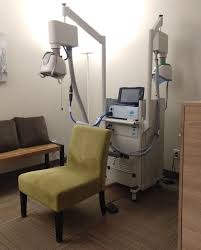
Can TMS help treatment-resistant depression?
One of the defining advantages of TMS is that it is non-invasive and does not require anesthesia or sedation. Patients sit comfortably while the clinician administers the session, which typically lasts about 20 to 40 minutes. After the appointment, individuals may return to work, drive, or go about daily routines without downtime. This convenience makes consistency more manageable, which is important because TMS is usually administered five days a week for four to six weeks. The cumulative effect of repeated stimulation supports long-lasting brain function improvement.
Side effects of TMS are generally mild compared to medication side effects or more aggressive treatments like electroconvulsive therapy (ECT). The most common sensations include scalp discomfort or mild headaches, which typically decrease as treatment progresses. Importantly, TMS does not cause memory loss or cognitive impairment. Because of its proven safety record, it has been cleared by the FDA for major depressive disorder, and insurance providers increasingly recognize its medical necessity for treatment-resistant cases.
Beyond depression, promising studies are also examining TMS as a treatment for anxiety disorders, obsessive-compulsive disorder, PTSD, and chronic pain. While research is ongoing, the growing body of clinical evidence continues to highlight the versatility and therapeutic value of brain stimulation.
In conclusion, TMS can absolutely help individuals with treatment-resistant depression and has already changed the lives of thousands who previously felt out of options. For anyone struggling with persistent symptoms after multiple medication trials, exploring TMS may be an important next step. Searching for tms near me can help locate providers who specialize in personalized care and can evaluate whether TMS is the right approach for a renewed sense of hope and emotional well-being.